
2026 is a critical year for Lauderdale and the wider Borders, with a tsunami of energy applications headed our way.
Living in Lauderdale it is easy to take the nature around us for granted. But now is the time for vigilance.
The agents working for energy speculators have no concern for our ancient landscape and nature. You may have seen surveyors out in hi-vis vests, conducting bat surveys in January for example (true story). Legally however, developer’s ecologists must consult the various biodiversity databases that log plants and animals. These are citizen scientist efforts and anyone can contribute.
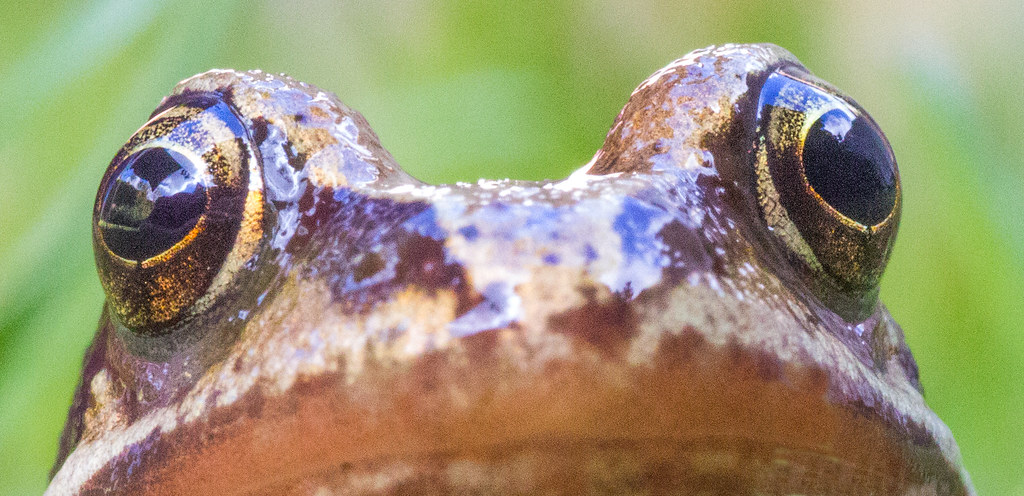
Because these databases depend on volunteer input, cities and towns appear to be teeming with biodiversity, while more remote places can seem devoid of nature. For example, according to the Ditcher Law application only one frog has ever been seen on that 1,400 acre site. Obviously ridiculous, but these are rules of Environmental Impact Assessments: if a creature or plant hasn’t been logged on a database, it does not exist according to officialdom.

Edinburgh – a biodiversity hotspot? Or 500,000 people logging?

Lauderdale – less wildlife than a city?

Mixture of mature woodland, ponds and open fields. But apparently almost no biodiversity in this inaccessible spot
It’s not hard to see why low population density areas are beset with energy speculations – apparently we have almost no nature here! The good news is, you can change this apparent disparity. While out and about, take photos, notes and recordings of what you see and hear. Upload direct to an app on your phone or on the computer.
Identification
Merlin bird song identification app
Plant Net is one of several plant ID apps. Unremarkable plants can also be the fodder for rare species so it is worth logging as much as possible.
Bird Spot website – a bit hit and miss
If you use Facebook there are loads of groups dedicated to identifying groups of creatures. Eg https://www.facebook.com/groups/eastscottishmoths members will help with moth, buttterfly and larvae ID from a photo
Logging
Once registered it is easy to log your spots. Verifiers tend to be volunteers themselves so they may approve sightings in batches.
iRecord simple to use, accepts all species
National Biodiversity Atlas – this is the top database that brings all other data sets together. Logs made on specialist databases will eventually end up here.
Saving Scotland’s Red Squirrels annual logs of red squirrels with live updates. 80% of Britain’s remaining red squirrels are in Scotland. The Borders is one of their last outposts.
Record Pool for amphibians and reptiles including newts, lizards and snakes
Butterflies and moths
Golden Eagle project
Botanical Society Britain and Ireland to log plant sightings lots of advice on the website
Bryophytes – liverworts and mosses
British Lichen Society recommends iRecord for casual loggers
Woodland Trust Ancient Tree Inventory for remarkable old trees – take a tape measure
Native Woodland survey of Scotland – not completely up to date. You can send information on newly planted native woodland to the Selkirk office but it’s not clear when the survey will be updated.
National Mammal Atlas Project – fast moving and elusive, wild mammals are under recorded. However poos or scat, paw prints and hairs all help identify their presence.
Scottish Badgers want to hear of sightings; live, roadkill (often the commonest badger spots), setts, latrines and pawprints
Martens on the Move for pine martens
Royal Entomological Society provides guides and recommends iRecord and iNaturalist to log insects. The Facebook Group Insects and Invertebrates is a mine of information.
This is not an exhaustive list, but you get the picture. Somewhere there is a group of enthusiasts who will help you ID and log sightings. Happy tracking and logging.
